

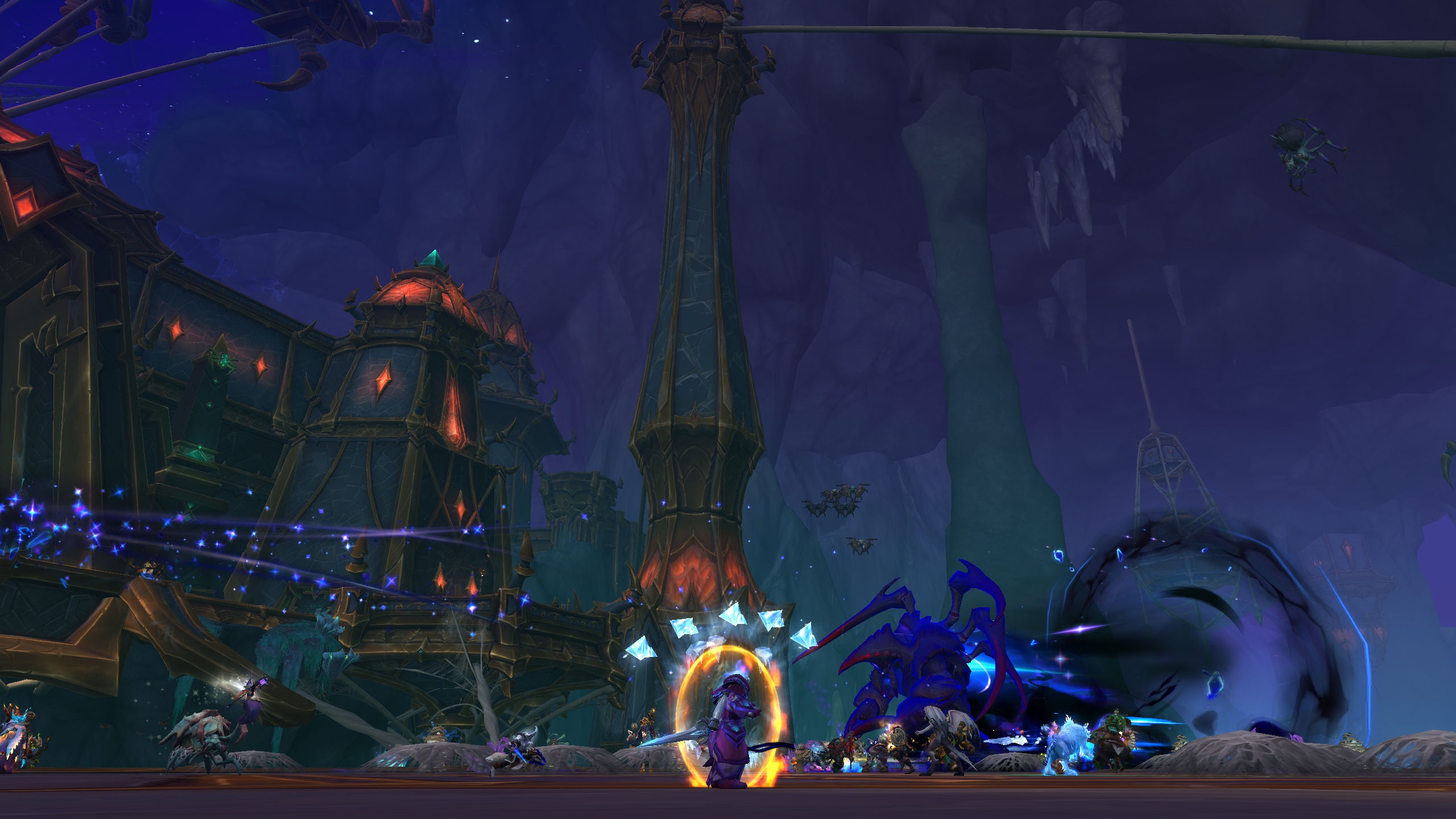
In World of Warcraft, raids are categorized by difficulty: LFR, Normal, Heroic, and Mythic. LFR is intro-level, offering quick automatic groupings with basic mechanics; it’s relaxed but rewards minimal loot. Normal introduces you to strategy and coordination, apt for casual team play. Heroic ups complexity with tougher boss mechanics, needing precise teamwork. Mythic demands mastery with 20-player precision, perfect executions, and offers the highest rewards. Learn more about raid strategies and progression dynamics to enhance your adventure.
Key Takeaways
- LFR offers automatic grouping with lower gear requirements, serving as an accessible introduction to raiding mechanics.
- Normal difficulty provides a flexible group formation with simplified mechanics for casual guilds and PUGs.
- Heroic raids introduce enhanced boss mechanics requiring precise execution and refined team coordination.
- Mythic raids demand flawless execution, advanced skills, and precise coordination among a 20-player roster.
- Loot quality and rewards increase with difficulty, motivating players to progress through higher raid tiers.
Evolution of Raid Difficulties
Although the landscape of raid difficulties has evolved markedly, it all began with the introduction of Heroic difficulty during The Burning Crusade, initially for dungeons and later extended to raids in Wrath of the Lich King. This marked a pivotal shift in raid design, emphasizing player engagement and a more nuanced difficulty balance. Over time, additional tiers like Mythic further increased complexity, demanding precise coordination and strategy. Historically, these changes influenced social dynamics, as higher difficulties required cohesive teamwork. Narrative integration became essential, with raids woven into the overarching storylines, enhancing immersion. Accessibility features have been a focus, ensuring broader participation without sacrificing challenge. Community feedback has varied, with some players favoring easier access, while others relish the intense difficulty. Despite differing opinions, Blizzard continues to refine raid content, balancing the intricacies of difficulty with narrative depth, aiming to satisfy a diverse player base. While mechanics have become more complex, boss tuning has become more forgiving, allowing a wider range of players to engage with raid content.
Understanding Looking-for-Raid (LFR)
Why is Looking-for-Raid (LFR) such a pivotal feature in modern gaming? LFR provides a unique blend of accessibility and learning, allowing players to plunge into the world of raiding without the pressure of assembling a team manually. This feature opens doors for many players, making it easier to experience raid content with automatic group formation. Here’s why LFR is essential:
- LFR Accessibility: With automatic grouping and lower gear requirements, LFR is accessible to a broader audience.
- LFR Learning: It serves as an introductory platform for players to understand raid mechanics and strategies. Raids focus on learning together, expecting deaths and growth as part of the experience.
- LFR Challenges: Despite being easier, LFR can still be challenging due to minimal communication and varying player skill.
- LFR Rewards: While the rewards are less compared to higher difficulties, they provide a stepping stone for gear acquisition.
Embrace the dynamics of LFR, where you can develop skills and enjoy a relaxed raiding environment.
Exploring Normal Raid Difficulty
In Normal raid difficulty, you’ll find group formation to be more flexible, as these raids don’t require the strict coordination seen in higher difficulties, making them ideal for casual guilds and PUGs (pick-up groups). The PUG-friendly nature here means players can join without the heavy gear demands or extensive planning typically associated with Heroic or Mythic raids, allowing for a more relaxed and approachable experience. Boss mechanics in Normal raids are intentionally simplified, reducing complexity and offering a smoother learning curve for players adapting from LFR or new to raiding, thereby ensuring that the focus remains on mastering basic raid concepts and enjoying the game. Each difficulty affects boss health, damage, mechanics, and loot quality, providing a balanced challenge for those looking to step up from LFR.
Group Formation Requirements
When forming a group for Normal raid difficulty, understanding the basic requirements is vital to guarantee a smooth gaming experience. First, you need a minimum of two players since a single player can’t form a raid group. Second, consider your group composition carefully; balance between player roles like tanks, healers, and DPS (damage dealers) is essential for success. Third, make sure players meet the item level requirements, typically close to the raid’s drop level, like 270+ for Normal Fated Raids. Finally, remember to coordinate group dynamics effectively; Normal raids require strategy and coordination among members to tackle challenges efficiently. With these basics in mind, you’re well on your way to forming a competent Normal raid group. In this context, it’s important to note that raid groups consist of more than 5 and up to 40 characters, organized into smaller groups, which allows for complex team strategies and varied compositions.
PUG-Friendly Features
Although the PUG (Pick-Up Group) environment in normal raid difficulty can be challenging due to potential toxicity and skill disparities, it offers several features that make it attractive for players seeking a more flexible raiding experience. Normal raids provide raid accessibility and casual engagement, allowing for diverse PUG dynamics with less stringent performance expectations. Communication strategies can be developed, enhancing social interaction and group cohesion. The flexibility in composition encourages skill balancing, making it easier for players of varying abilities to participate. While loot fairness remains a concern, the opportunity for gear progression motivates players. These raids serve as a learning environment, offering a stepping stone to more challenging content, thereby appealing to those looking for a balanced mix of challenge and community.
Boss Mechanics Overview
While tackling Normal raid difficulty, understanding boss mechanics is vital for achieving success in this tier of content. You’ll face more complex mechanics than in LFR, requiring solid encounter strategies. Here’s what you need to focus on:
- Avoidance Techniques: Keep an eye out for danger zones, like beams or swirlies, and avoid them to minimize damage.
- Add Control: Managing adds is essential; interrupt and eliminate them before they overwhelm the group.
- Positioning Strategies: Properly position the boss and raid members to dodge frontal attacks and maximize DPS and healing.
- Debuff Management: Efficiently handle debuffs to maintain survivability and prevent the raid from falling apart.
With these strategies, you’ll navigate Normal raids with greater finesse and coordination.
Delving Into Heroic Raids
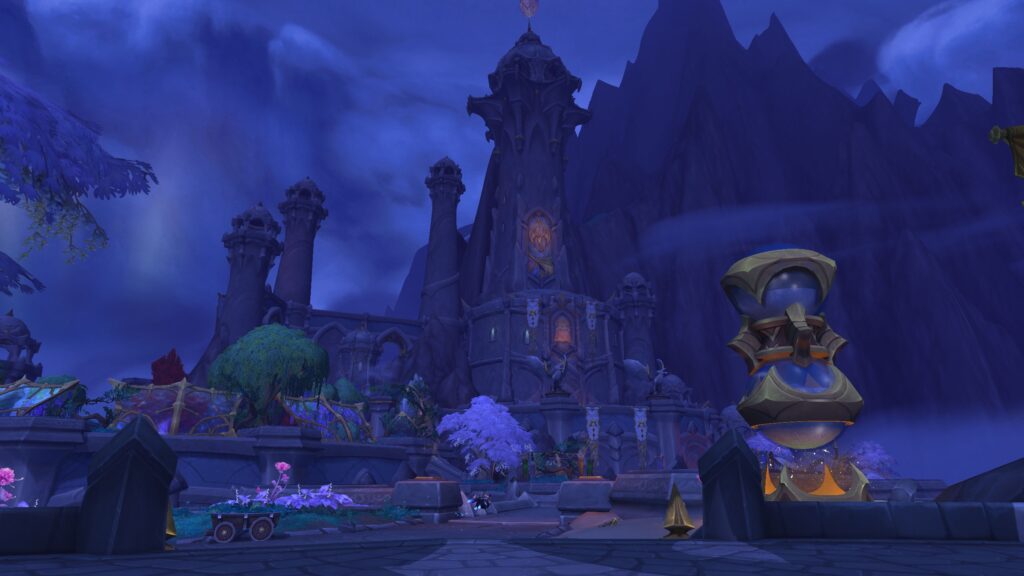
Heroic raids present a notable step up in challenge and complexity, demanding more from players regarding strategy and coordination. As you explore these raids, you’ll encounter raid dynamics that require well-thought-out heroic strategies. Bosses exhibit enhanced mechanics and abilities, making precise execution critical. Unlike Normal raids, Heroic raids offer flexible group sizes, allowing you to adjust your raid composition based on team strengths and weaknesses.
In Heroic raids, bosses deal considerably more damage, requiring tanks to refine defensive strategies and healers to manage increased healing demands. Effective add management becomes essential as additional enemies can heavily impact the raid’s success. Team coordination is fundamental, as players must communicate effectively and specialize in their roles to overcome the challenges. Successfully completing Heroic raids not only rewards you with better gear but also prepares you for the even more challenging Mythic raids, enhancing your guild’s reputation and overall progression.
Mastering Mythic Raids
In Mythic raids, precision and coordination among your 20-player roster become essential as you tackle intricate mechanics that demand flawless execution. Developing and implementing effective strategies is vital, as the complexity of each encounter requires a well-planned approach and seamless teamwork to succeed. The achievements and rewards from conquering these challenges not only offer powerful gear but also provide a sense of accomplishment and prestige within the raiding community.
Precision and Coordination
Achieving mastery in Mythic raids requires precision and coordination, as these encounters challenge players with intricate mechanics and unforgiving difficulty. Your success hinges on raid synergy, where each team member understands their role and executes mechanics flawlessly. To optimize your strategy:
- Coordination Techniques: Develop strong communication strategies using voice chat to align on roles and responsibilities.
- Practice Sessions: Regularly schedule sessions to refine your approach, focusing on mechanic execution and team roles.
- Performance Analysis: Review logs and videos to identify weaknesses, using encounter preparation and progression tactics to adjust your strategy.
- Feedback Loops: Foster an environment where constructive feedback is encouraged, ensuring continuous improvement.
These elements are essential for maneuvering the complex challenges of Mythic raids efficiently.
Strategy and Execution
Mastering Mythic raids demands a strategic approach and flawless execution, building upon the precision and coordination previously discussed. Start with thorough raid preparation by managing your roster effectively, ensuring a balanced class composition, and specializing roles for tanks, healers, and DPS. Clear communication about expectations and performance requirements is crucial for team cohesion. Refining your strategy involves studying boss mechanics through videos and logs, assigning specific roles for mechanics handling, and managing cooldowns effectively. Regular practice, log analysis, and adaptability in strategy refinement are key to optimizing performance. Coordinate closely with tanks and healers for positioning and cooldown rotations. Maintain efficient raid time, focusing on quick pull counts and goal setting to keep the team motivated and progressing.
Achievements and Rewards
Although mastering Mythic raids presents a formidable challenge, the achievements and rewards you can earn are well worth the effort. As you conquer the toughest content, you’ll gain access to Mythic achievements that showcase your dedication and skill. Completing these raids grants you exclusive titles, unique mounts, high-level gear, and cosmetic items, making your character stand out. Here’s what you can expect:
- Mythic achievements: Earned by completing the most challenging raids, these are badges of honor.
- Raid rewards: You’ll receive high-level gear and cosmetic items that enhance your appearance and abilities.
- Exclusive titles: Display your prowess with prestigious titles that signify your accomplishments.
- Unique mounts: Obtain rare mounts from specific bosses, adding flair to your collection.
Mythic raids truly offer unparalleled rewards for those who master them.
Progression Through Raid Challenges
As you progress through raid challenges, understanding the tier structure is crucial, as each level—LFR, Normal, Heroic, and Mythic—presents a distinct set of difficulties that require adaptive strategies and improved teamwork. Starting with LFR, you’ll encounter a “story mode” designed for minimal coordination. Normal difficulty introduces you to basic raid tiering strategies, focusing on skill development and challenge adaptation. Heroic demands more strategic planning, requiring you to face increased damage and additional mechanics. Mythic, the pinnacle of difficulty, challenges you with intricate mechanics and high stakes for failure.
Team dynamics are critical, as effective communication and role understanding become increasingly important. Encounter mechanics grow more complex, demanding precise execution and quick adaptation to new challenges. Successful raid progression involves assigning roles effectively, balancing raid composition, and ensuring team synergy. Preparation and the ability to quickly adapt are crucial as you tackle each tier’s evolving challenges.
The Role of Loot and Rewards
In the domain of raid challenges, loot and rewards play a vital role in motivating players and aiding in progression. Each raid difficulty offers a distinct loot distribution and reward system, catering to varying levels of player commitment and skill. Understanding these systems is essential for making informed decisions about your raiding path.
- LFR Difficulty: Here, loot quality is lower, making it an accessible entry point for players, while still providing rewards that introduce you to raid mechanics without high-level pressure.
- Normal Difficulty: Offers baseline loot quality, suitable for casual players, and serves as a stepping stone between LFR and more challenging raids.
- Heroic Difficulty: Provides better gear and significant rewards, vital for players aiming to tackle Mythic content.
- Mythic Difficulty: This level boasts the highest quality loot and unique achievements, rewarding mastery and dedication with top-tier gear.
Each tier’s reward system is designed to reflect its complexity and challenge.
Strategies for Success and Teamwork
Success in raids, much like any team-based endeavor, hinges on effective strategies and cohesive teamwork. Understanding team dynamics is essential, especially in situations like LFR where role flexibility can make or break your progress. Communication strategies might be limited in LFR, but they become important as you move into Normal raids, where coordination techniques and role specialization are more pronounced. Preparing for these encounters involves thorough raid preparation, understanding boss strategies, and ensuring your team can adapt to unexpected challenges through adaptability training.
As you progress to Heroic raids, healing management and damage output need precise execution. Here, a strong focus on coordination, alongside a deeper understanding of advanced mechanics, is critical. Moving into Mythic raids, execution precision and high-level communication are essential. You’ll need to perfect your strategies, ensuring every team member is at their best, adapting quickly to sudden changes, and maintaining flawless teamwork.
Frequently Asked Questions
How Can I Find a Reliable Raid Group for Higher Difficulties?
To find a reliable raid group for higher difficulties, start by joining online communities like MMO-Champion forums or Discord servers to connect with players. Use in-game tools like the Group Finder to form teams, setting clear expectations for goals. Consider joining a guild that recruits for higher difficulties, guaranteeing it aligns with your playstyle and schedule. Evaluate potential members based on their experience and gear to guarantee a successful raid.
What Addons Are Recommended for Raid Coordination and Strategy?
Think of raid addons as the orchestra conductor for your raid group; they keep everything in harmony. For boss mechanics and strategy guides, Deadly Boss Mods and BigWigs are essential, offering alerts and timers. Communication tools like Method Raid Tools guarantee clear coordination, while OmniCD tracks your performance by managing cooldowns. These addons provide the framework to execute complex strategies and improve overall raid efficiency by keeping everyone on the same page.
Are There Any Time-Limited Rewards Exclusive to Certain Raid Difficulties?
When considering time-limited rewards and exclusive achievements, it is crucial to recognize that while none are exclusive to LFR, Normal, or Heroic difficulties, Mythic raids offer seasonal achievements like Cutting Edge. These achievements are time-sensitive, requiring completion before the next major game update. This encourages players to participate in Mythic raids promptly, ensuring they don’t miss out on these prestigious accomplishments, which highlight dedication and skill in tackling the game’s toughest challenges.
How Does Raid Difficulty Affect the Storyline Experience?
Raid difficulty impacts your storyline experience by affecting accessibility and engagement. LFR and Normal let you focus on the raid narrative without grappling with complex mechanics, making the story more accessible. Heroic and Mythic difficulties, though, require precise teamwork and strategy, which can deepen your investment in the narrative due to the challenging environment. Additionally, Story Mode offers solo players a new way to experience the raid narrative without group constraints.
Can Raid Difficulty Be Changed Mid-Raid After a Boss Is Defeated?
You can’t change raid difficulty mid-raid after defeating a boss. Raid scaling and difficulty adjustments must be set before entering the instance. Once a boss is defeated, the current difficulty locks for the remaining encounter. To alter the difficulty, you’d need to reset the raid and start over. This guarantees that each difficulty level’s mechanics and challenges remain consistent throughout the raid for all players involved.
Conclusion
As you navigate World of Warcraft’s raid difficulties, you’ll notice a pattern: each level, from LFR to Mythic, offers unique challenges and demands increasing skill and coordination. Coincidentally, the complexity of mechanics and teamwork required scales alongside the potential for rewards, emphasizing progression and strategy. By understanding each raid’s nuances, you can optimize your approach, guarantee successful runs, and maximize loot acquisition. Mastering these elements is essential for any raider aiming to conquer Azeroth’s toughest encounters.
Leave a Reply