

Mythic-only raid mounts will likely stay in future World of Warcraft expansions, as they’re essential for motivating players to pursue high-level content and exclusive rewards. While recent changes make these mounts more accessible with adjusted drop rates, the debate over balancing accessibility with prestige continues. These mounts drive player engagement and serve as major status symbols. If you’re curious about their impact on the game and community dynamics, there’s more to discover.
Key Takeaways
- Mythic-only raid mounts have historically symbolized prestige, but recent changes create debate on their future exclusivity.
- Accessibility changes with lower difficulty drops suggest potential shifts in mythic mount distribution in future expansions.
- Blizzard’s design philosophy emphasizes balancing mount exclusivity with player retention and engagement.
- Community feedback may influence whether mythic-only mounts remain exclusive in future expansions.
- Mythic mount drop rates and distribution strategies affect their desirability and in-game economic implications.
Historical Context of Mythic Mounts
While the introduction of Mythic difficulty in World of Warcraft’s Mists of Pandaria expansion marked a considerable shift in raid challenges, it also paved the way for the creation of mythic-only raid mounts. These mounts quickly became symbols of prestige and accomplishment, coveted by players for their rarity and the status they conferred. The mythic challenges required to obtain these mounts were not for the faint-hearted, demanding skill and dedication from you and your raid team. Initially, during the expansion in which they were introduced, these mounts had a 100% drop chance. However, once the expansion ended, their drop rate decreased considerably, increasing their desirability even further. Notable mounts like Raszageth’s Glacial Tidestorm and Sarkareth’s unique rewards highlighted the exclusivity of these achievements. The mythic-only raid mounts introduced in expansions such as Legion and Battle for Azeroth continue to draw players to older content, showcasing the enduring appeal of these prestigious rewards. Their rarity and the community recognition you could earn from acquiring them made mythic mounts some of the most sought-after items in the game. Recently, Blizzard announced a change in mount drop philosophy, allowing mythic mounts to drop from lower difficulties to encourage players to engage with current content.
Changes in Mount Distribution Philosophy
You might notice that the philosophy of mount distribution in WoW has shifted to balance accessibility with prestige, as evident in the increasing availability of mounts through LFR mode and lower difficulty levels during current content. This approach not only aims to make mounts more attainable for a broader audience but also encourages players to engage with current raids and content even after they’ve geared up their characters. While the personal loot system guarantees fairness in obtaining mounts, the challenge lies in maintaining the prestige associated with mythic mounts as they become more accessible to the player base. However, some players still prioritize reputation and gear over mount acquisition. The new beta build has introduced significant changes to healing and damage adjustments, emphasizing sustained healing profiles and refining gameplay experiences across PVE and PVP. Mythic raid mounts currently have a drop chance of 1% when in legacy mode, which is divided by the number of players in the raid, resulting in an effective drop rate of 1 in 2000.
Accessibility Versus Prestige
Debate arises within the World of Warcraft community regarding the balance between accessibility and prestige in the distribution of mythic-only raid mounts. Historically, these mounts were exclusive, rewarding dedicated players with their unique mount aesthetics. However, recent changes have allowed mythic mounts to drop in lower difficulties, including LFR, during the current expansion. This shift has sparked differing player sentiment, as some appreciate the increased accessibility, while others feel it diminishes the prestige associated with acquiring these mounts. The community remains divided, with some advocating for exclusivity to maintain the mounts’ rarity, and others supporting broader access to enhance enjoyment for newer players. Blizzard’s developers, reflecting on diverse player engagement, emphasize the importance of providing opportunities for all players to earn rewards over time. As Blizzard continues to evolve its philosophy, player feedback will likely shape future strategies in mount distribution.
Encouraging Current Engagement
In recent updates to World of Warcraft, Blizzard has shifted its mount distribution philosophy to encourage greater player engagement, a move that has sparked much discussion within the community. By introducing guaranteed drops after a set number of attempts, Blizzard aims to motivate players who are drawn to mount aesthetics, ensuring they have a clear progression path. The introduction of 127 new mounts in the latest expansion showcases Blizzard’s commitment to expanding the game’s mount collection, offering players a plethora of choices and diversity. Allowing Mythic mounts to drop from lower difficulties increases accessibility, broadening player motivation to engage with challenging content. In addition, heritage mounts, which are sold by Quartermasters in major cities, offer players an opportunity to experience classic mounts with a potential for future updates. This change addresses player concerns about mount rarity and exclusivity, balancing the desire for prestigious rewards with the need for inclusivity. Dynamic content rotation and diverse collection methods aim to keep players engaged over time, maintaining interest and promoting sustained participation in raids. Mythic raiding, which has historically seen better days and is currently declining, can benefit from these strategies to revitalize player involvement and enthusiasm.
Impact on Player Engagement
Player engagement in World of Warcraft is particularly influenced by the diversity of available content, as players choose to participate in endgame activities like raids and Mythic Plus dungeons based on their personal preferences and schedules. This diversity is essential for player retention, as it guarantees a variety of engagement strategies, allowing players to find content that suits their playstyle. Mythic-only rewards, such as exclusive mounts, act as significant motivators, pushing players to tackle more challenging content for a greater sense of achievement. The exclusive content provided by mythic only bosses may create a sense of achievement for high-level raiders, further motivating players to engage more deeply with the game. However, if accessibility to these rewards changes, it could alter how players engage with these activities, potentially impacting community dynamics and overall satisfaction. The interplay between content design and player motivation is critical, as it affects how players perceive different challenges and rewards, helping to prevent burnout by offering a balanced mix of difficulty and accessibility, ultimately supporting long-term engagement and community building. As M+ dungeons offer quicker completion times than raids, players might increasingly prioritize them for their efficiency, which could shift how they interact with Mythic-only rewards in future expansions.
Mythic Raid Participation and Rewards
When you participate in Mythic raids, you’re not just tackling the toughest challenges in WoW, but you’re also showcasing your skill and teamwork abilities, as these raids demand precise coordination and strategic planning. Successfully completing a Mythic raid grants you exclusive symbols of achievement, such as mounts, which initially come with guaranteed drop mechanics that underscore their rarity and prestige. These rewards not only act as a proof of your dedication and prowess but also serve as a significant incentive for players seeking recognition within the community. With about 15% of the WoW population reportedly clearing or raiding in mythic successfully, it’s clear that participation in these high-level raids is limited to a select group of dedicated players. Despite the difficulty, 49% of players have cleared all bosses on any difficulty, which shows a substantial interest in raiding activities. With an estimated 19,786 guilds having cleared at least 1/11N Sepulcher, it’s evident that raiding is a widely participated activity, engaging a substantial portion of the player base.
Skill and Teamwork Requirements
Although Mythic raiding in World of Warcraft demands exceptional skill and teamwork, it’s not just about individual prowess; it’s about how well a group can function as a cohesive unit. Skill development and team synergy are vital, as each raid requires a specific composition of classes and roles, like healers, tanks, and DPS players, to succeed. You’ll need to employ extensive planning, strategy, and real-time coordination to tackle complex boss mechanics. High-level gear, ideal enchants, and gems are mandatory for meeting the survivability and damage demands. Communication tools like voice chat are essential for executing strategies and maneuvers. Regular practice in Mythic+ dungeons and other challenging content helps maintain the skill level required for these demanding raids. Smaller group sizes could allow for better participation and enjoyment in mythic raiding, addressing some of the challenges faced by players. Adhering to guild rules, such as being punctual and notifying if late or absent, ensures discipline and consistency in raid performance. Many CE guilds have expressed a preference for reduced difficulty compared to pre-nerf encounters, reflecting the broader community’s concerns about raid difficulty and design.
Exclusive Achievement Symbols
In World of Warcraft, Mythic raid participation not only tests your skills but also offers exclusive achievement symbols that set you apart from other players. These symbols serve as achievement symbolism, recognizing your dedication and expertise. Completing Mythic difficulty raids can earn you Feats of Strength, unique teleport rewards, and exclusive character titles, each acting as a badge of honor that visually distinguishes you in the game. The evolution of raid markings guarantees clear communication among roles, while your accomplishments reinforce player recognition within the community. Despite the removal of Mythic only mount rewards, the game continues to offer significant incentives for Mythic raiders. By participating in current Mythic content, you gain access to these rewards, showcasing your commitment and prowess. These symbols not only enhance your status but also motivate continued engagement and mastery in Mythic raiding. Current mythic achievements often require purchasing clears from guilds, emphasizing the importance of forming or joining a dedicated group to achieve these goals.
Guaranteed Drop Mechanics
Subsequent to the introduction of Mythic raids in World of Warcraft, guaranteed drop mechanics for Mythic-only mounts have evolved, impacting both player engagement and reward systems. Initially, these mounts had a 100% drop rate during the current content, but this decreases to 1% once the content becomes outdated. Players now have solo opportunities to tackle old Mythic bosses for a chance at these mounts. However, recent trends show that Mythic mounts can drop from lower difficulties, like LFR, while the content is current, sparking mixed community feedback. Group size does not alter the base drop chance of mounts, ensuring each player has an independent chance to receive the mount. Despite the personal loot system applying uniformly, group size no longer affects drop rates, ensuring fairness. These adjustments challenge Blizzard to balance exclusivity with accessibility, maintaining interest in Mythic raids.
Player Behavior and Community Dynamics
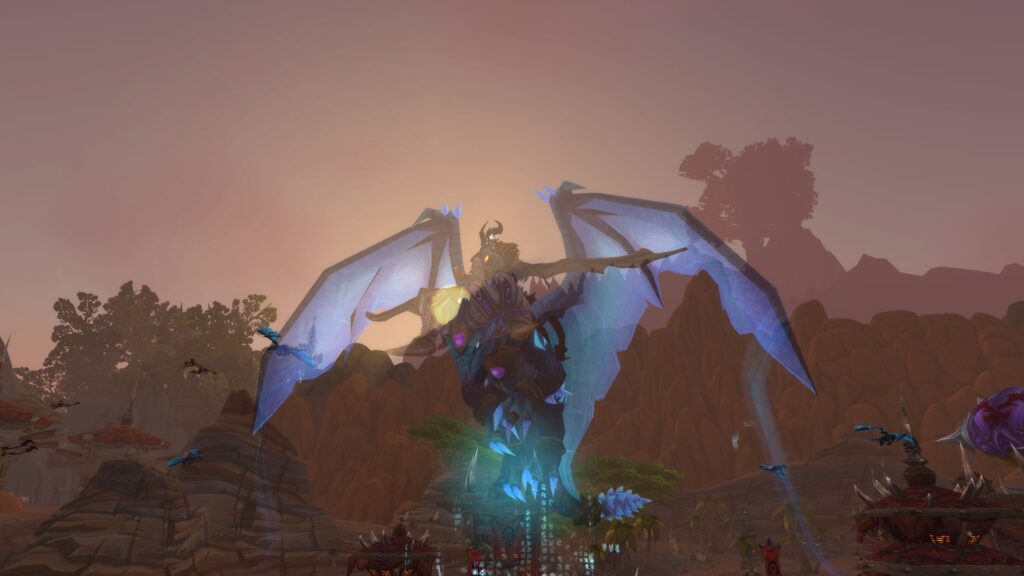
Player behavior in World of Warcraft’s Mythic-only raid mounts scene showcases intriguing dynamics, as the game’s community is segmented by various interests and playstyles. Players’ preferences influence community engagement, with older players exploring a variety of activities while younger ones often focus on PvP combat. This segmentation is also evident in role preferences, where female players generally choose cooperative and healing roles and male players lean towards competitive and aggressive roles. Community dynamics are shaped by these preferences, as well as by the evolving nature of endgame activities like Mythic Plus dungeons, which challenge players and can sometimes detract from raiding.
Guild dynamics and player availability considerably affect raid participation, leading to varied experiences across the community. Despite the pressure some feel to engage in Mythic Plus for raid progression, it doesn’t drastically reduce overall raid participation. This diverse engagement highlights the complex interactions within the WoW community, influencing player behavior and game dynamics.
Future Expansion Strategies
While planning for future expansions, Blizzard has laid out a strategic roadmap that includes The War Within, Midnight, and The Last Titan, aimed at keeping World of Warcraft both fresh and engaging for its diverse player base. This expansion roadmap is crafted with community feedback in mind, ensuring that player experiences remain at the center of development. The War Within’s phased content release has set a precedent for future expansions, allowing for manageable updates and improved gameplay experiences. Mythic and Mythic Plus modes, alongside story modes, cater to varying player preferences, making sure everyone finds their niche. Blizzard’s announcement of three upcoming expansions at BlizzCon 2023 demonstrates their commitment to maintaining high-quality and engaging content for players. The phased release approach, while sometimes leading to player dissatisfaction due to delays, ultimately allows developers to address issues more effectively and ensure a smoother gaming experience. In line with community feedback, Blizzard is also exploring potential remixes of past expansions like Legion, incorporating beloved elements such as artifact weapons, to enhance player engagement and nostalgia.
- Community-Driven Development: Feedback shapes expansion features.
- Phased Content Rollout: Offers flexibility and control.
- Diverse Gameplay Modes: Attracts a broad audience.
- Revisiting Classic Locations: Nostalgia meets new adventures.
- Engagement and Anticipation: Roadmap clarity boosts player interest.
Economic and Social Implications
As mythic-only raid mounts become a significant aspect of World of Warcraft, their impact on both the in-game economy and social dynamics can’t be overlooked. The exclusivity of these mounts drives player motivation, encouraging players to spend vast amounts of in-game gold or even real money to acquire them. This spending influences market dynamics, as the demand for mythic mounts can inflate prices and affect the availability of other items. Additionally, these mounts contribute to social status within the community, often serving as a prestige symbol that enhances community perception of those who own them. However, if mythic mounts become more accessible, their exclusivity value might diminish, altering their impact on the in-game economy. Guild dynamics could shift too, as changes in raid mechanics might affect how guilds organize and participate in raids, potentially reducing player engagement if the perceived challenge and rewards are lessened. The current mythic functionality already allows some competitive issues, which further complicates balancing accessibility and exclusivity.
Balancing Accessibility and Exclusivity
Balancing accessibility and exclusivity in mythic raid mounts is a complex task that requires careful consideration of both player engagement and game design philosophy. The historical context shows that mythic-only mounts had a 100% drop rate during the current raid patch, which decreased considerably afterward, affecting raid accessibility and mount desirability. Players often discuss the merits of making mythic raids more accessible, arguing that it could retain a broader player base by including those who can’t participate in high-difficulty content. However, the debate continues as some players believe these unique rewards should remain exclusive to encourage engagement in challenging content. Blizzard’s game design philosophy often emphasizes exclusivity, which limits accessibility for casual players. Historically, the transition to unified 20-man raids was justified by Blizzard to encourage larger raid formats, but this shift in raid size has also contributed to accessibility issues, as forming larger groups can be challenging for many players. Additionally, mounts like the Felsteel Annihilator from Archimonde in Hellfire Citadel further highlight the exclusivity of mythic-only rewards, as they are only obtainable on Mythic difficulty.
- Drop Rate Dynamics: High at first, low later
- Raid Size: Shift from 10-man to 20-man impacts accessibility
- Community Feedback: Balancing acts for broader engagement
- Player Retention: Accessibility could aid retention
- Design Philosophy: Favors exclusivity over accessibility
Frequently Asked Questions
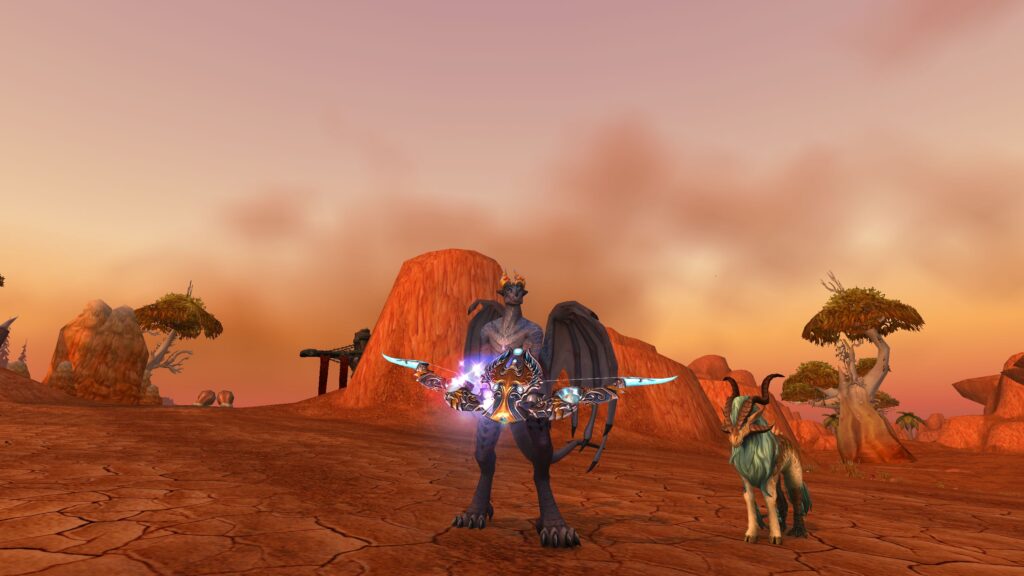
How Do Mythic Mounts Affect Guild Recruitment and Retention?
Mythic mounts play an essential role in guild recruitment and retention by enhancing guild culture and serving as recruitment incentives. They offer a sense of exclusivity and challenge, which attracts skilled players and motivates them to join competitive guilds. The pursuit of these mounts fosters teamwork, creating a strong community bond, while also providing leadership opportunities. Consequently, guilds that consistently achieve mythic mounts maintain a competitive edge, retaining committed and experienced members.
What Are the Design Challenges of Creating Mythic-Only Mounts?
Designing mythic-only mounts presents challenges like balancing exclusivity with accessibility. You must consider mount design to guarantee it feels rewarding and prestigious without alienating casual players. Balance issues arise when attempting to maintain a high difficulty level that justifies the mount’s rarity while keeping player engagement high. The design process requires careful planning to avoid frustration among players who can’t access these rewards due to skill or time constraints.
How Do Mythic Mounts Influence Player Interactions Outside Raids?
Mythic mounts, like a beacon of mythic prestige, foster community engagement beyond raids. You’ll find players gathering in forums, sharing strategies, and forming alliances, all sparked by the desire for these coveted items. Such mounts serve as a social currency, influencing perceptions and interactions. They can elevate your status within the community, encouraging collaboration and camaraderie, while also driving discussions about accessibility and fairness in acquiring these exclusive rewards.
Are There Plans for Cross-Expansion Mount Collection Achievements?
You might wonder if there are plans for cross-expansion achievements in WoW’s mount collection systems. While Blizzard hasn’t officially announced new cross-expansion achievements, players are advocating for them. They seek challenges that span multiple expansions, offering rewards for collecting mounts across various in-game eras. Such achievements could provide long-term goals, keeping the community engaged, and encouraging exploration of older content, though official updates remain pending.
How Do Player Demographics Affect Mythic Mount Acquisition Rates?
Imagine only 15% of players successfully clearing Mythic raids. This statistic highlights how player motivation and acquisition barriers affect Mythic mount acquisition rates. High skill levels, time commitments, and the need for a coordinated group create significant obstacles. Players often choose content that aligns with their enjoyment and availability, leading many to prefer more accessible options like Mythic+ dungeons, which offer comparable rewards with less effort and time investment.
Conclusion
In considering the future of mythic-only raid mounts, you’ll need to weigh the balance between accessibility and exclusivity. Historically, these mounts have incentivized top-tier players, driving participation in challenging content. However, if exclusivity becomes too restrictive, it might deter broader player engagement. Imagine a hypothetical expansion where mythic mounts are slightly more accessible—such a shift could boost raid participation while still rewarding dedicated players, maintaining the delicate balance that keeps the game’s community vibrant and motivated.
Leave a Reply