

Envision this: you’re standing at the precipice of Icecrown Citadel, the chilling winds of Northrend biting at your armor, ready to face the Lich King himself. This iconic moment is just one piece of the vast, intricate tapestry that is World of Warcraft’s raid content. Now, imagine ranking each expansion based on these thrilling, often grueling, experiences. You’d consider the evolving complexity of boss mechanics, the unforgettable narratives woven into each raid, and even the influence they’ve had on the game’s enduring legacy. It’s a mammoth task, but who better than you, seasoned player, to tackle it? Let’s get started.
Key Takeaways
- The Burning Crusade introduced unique mechanics and zones, elevating raid difficulty and team collaboration.
- Wrath of the Lich King’s Icecrown Citadel provided a challenging experience with immersive aesthetic design.
- Cataclysm’s Dragon Soul incorporated environmental challenges, requiring high strategy and coordination.
- Mists of Pandaria’s Siege of Orgrimmar showcased innovative level design and intuitive gameplay mechanics.
- Legion raids, such as Tomb of Sargeras and Antorus, were praised for their punishing mechanics and responsive developer adjustments.
Classic WoW: The Original Raids
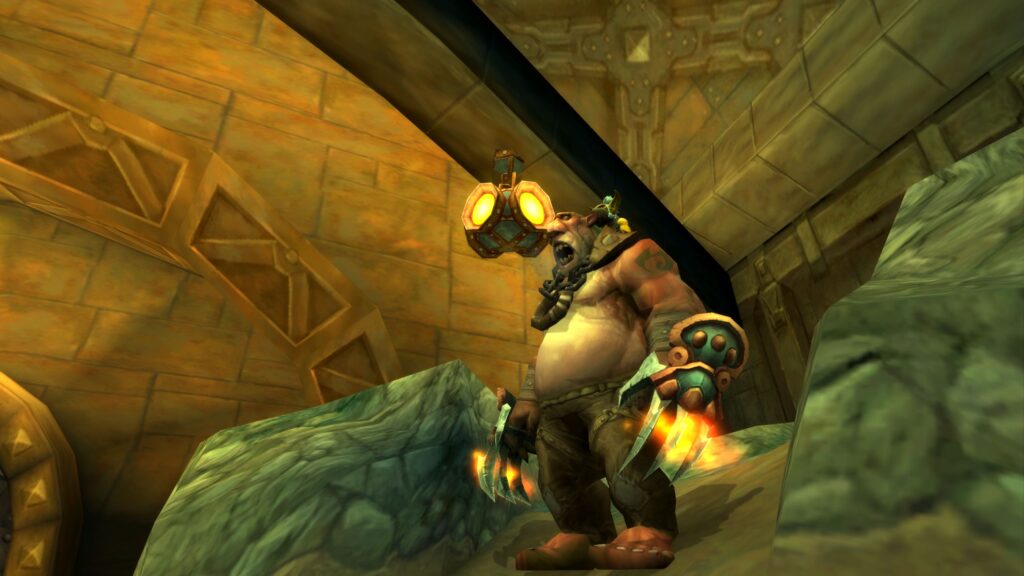
Though you may consider it a blast from the past, Classic WoW is where the concept of raiding truly began. The original raid mechanics, while seemingly primitive compared to today’s standards, laid the groundwork for what has become a core aspect of MMORPGs.
In these early days, you’d find yourself among 40 players, all working together to overcome the challenges within Molten Core or Blackwing Lair. These raids weren’t just about dealing damage; they required strategic positioning, crowd control, and careful timing. The bosses, from Ragnaros the Firelord to Nefarian, weren’t pushovers. Each had their own mechanics that needed to be learned and mastered.
The classic loot distribution was another aspect that made raiding in Classic WoW unique. The coveted tier sets and legendary items were not handed out freely. Instead, they were earned through a system known as ‘DKP’ or ‘Dragon Kill Points’. You’d accumulate these points through participation and performance in raids, then bid on items against your fellow raiders. This created a sense of competition and accomplishment when you finally got your hands on that piece of gear you’d been coveting.
The Burning Crusade: A New Challenge
As you ventured into the Burning Crusade, a whole new level of raiding awaited. This expansion was the first to introduce new zones, each bringing unique and challenging raid encounters that drastically altered player experiences.
The alien landscapes of Outland offered thrilling settings for your adventures. From the darkened depths of Serpentshrine Cavern to the lofty heights of Tempest Keep, each zone posed a fresh challenge, pushing your skills to the limit.
Here’s a snapshot of what you faced in this expansion:
- The Black Temple: Once a Draenei citadel, this twisted stronghold of Illidan Stormrage was the highlight of the expansion.
- Serpentshrine Cavern: This underwater lair of Lady Vashj required coordination and skill in its watery depths.
- The Eye in Tempest Keep: Kael’thas Sunstrider waited at the heart of this stormy fortress, a test for any seasoned raider.
- Magtheridon’s Lair: A single-room raid with a massive Pit Lord – a quick but deadly fight.
- Gruul’s Lair: Home to the gronn lord Gruul, this was a step up from the raids you’d experienced in Classic WoW.
With the increase in raid difficulty, a new level of teamwork and strategy was necessary. It wasn’t just about the highest damage or healing numbers anymore. The Burning Crusade emphasized mechanics, positioning, and coordination, truly pushing player experiences to new heights. This expansion shaped the future of WoW raiding, leaving an indelible mark on the game we recognize and love.
Wrath of the Lich King: Icecrown Citadel
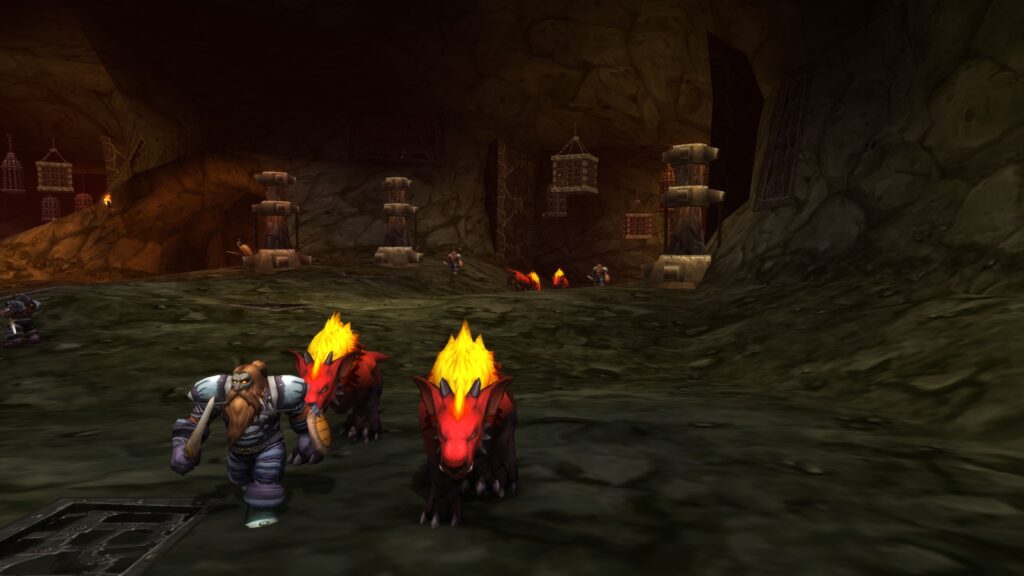
If you thought the challenges of The Burning Crusade were tough, the Wrath of the Lich King elevated the game’s raiding experience to an entirely new level. The Icecrown Citadel, the expansion’s pinnacle, is a proof of this. This raid offered a whopping twelve encounters, each encounter more formidable than the last.
The Icecrown Citadel’s architecture was as intimidating as its inhabitants. From the Frost Queen’s icy lair to the Lich King’s sinister throne room, every inch of the citadel was designed to intimidate and challenge you. But it wasn’t just the aesthetics that made these raid encounters memorable.
| Encounter | Why it’s Memorable |
|---|---|
| Lord Marrowgar | Introduced Bonestorm, a raid-wide AoE. |
| Deathbringer Saurfang | Turned healing into a strategic decision. |
| Festergut and Rotface | Forced you to manage debuffs effectively. |
| Sindragosa | Required precise positioning and coordination. |
| The Lich King | Combined all previous mechanics, testing your entire raiding skillset. |
Each encounter pushed you to adapt and improve, ultimately preparing you for the final showdown with the Lich King himself. Facing off against the Lich King was an experience unparalleled in WoW’s history. Not only did you have to master all the mechanics from the previous encounters, but you also had to deal with the constant psychological pressure of being on the Lich King’s home turf.
In short, the Wrath of the Lich King took raiding to new heights with Icecrown Citadel. The complex mechanics, the atmospheric design, and the sheer scale of the raid encounters made it a unique and unforgettable experience.
Cataclysm: The Dragon Soul
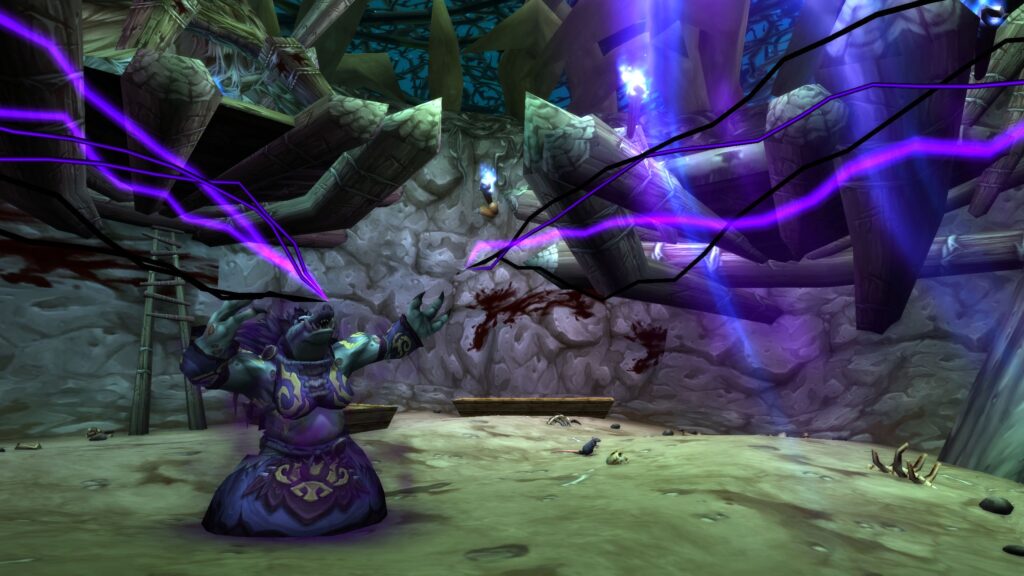
Building on the momentum of the Wrath of the Lich King, Cataclysm brought us the epic Dragon Soul raid. This raid, set in the Maelstrom, was a climax of Cataclysm’s storyline, pushing you headfirst into a titanic clash with Deathwing himself.
Dragon Soul served as a fitting endgame experience, providing a culmination of the expansion’s story arcs and challenging mechanics. It’s here that you tested your mettle against some of the most formidable foes Azeroth had to offer. The battles were tough, the stakes were high, and the rewards were plentiful.
The raid offered a unique blend of environmental challenges and boss mechanics. Let’s explore some of the memorable aspects:
- The spine-tingling encounter with Deathwing’s monstrous aspect on his back, forcing you to balance between damaging him and staying alive.
- The thrilling Ultraxion fight, demanding precise timing and communication.
- The Warlord Zon’ozz battle, a strategic dance of positioning and damage control.
- The Hagara the Stormbinder encounter, testing your ability to adapt to ever-changing weather conditions.
- The Yor’sahj the Unsleeping fight, where managing multiple threats simultaneously was essential.
Each boss fight required a high level of coordination, strategy, and individual skill, making Dragon Soul a challenging and rewarding experience.
Dragon Soul wasn’t just about the fights, though. It was a narrative journey, packed with lore and cinematic moments that made the raid feel like an epic adventure. The Dragon Soul raid, fundamentally, was a reflection of the creativity and innovation that WoW’s raid design team continually brings to the table. It’s no wonder Cataclysm still holds a special place in the heart of many players.
Mists of Pandaria: Siege of Orgrimmar
Now, let’s turn our attention to “Mists of Pandaria: Siege of Orgrimmar“. You’ll appreciate the intriguing design elements that make the Orgrimmar raid stand out. We’ll also dissect the raid bosses and explore the unique gameplay mechanics that really set this expansion apart.
Orgrimmar Raid Design Elements
While you may not immediately recognize it, the Siege of Orgrimmar raid is a masterclass in level design. The blend of Orgrimmar aesthetics and mechanics creates an immersive experience that’s hard to forget.
The aesthetics are no mere window dressing. They’re reflective of Orgrimmar’s culture, teeming with the harsh, brutalistic architecture of the Horde. You can’t help but feel the weight of the orcish stronghold‘s might and history.
The mechanics, on the other hand, are an impressive display of ingenuity. They’re complex without being overwhelming, challenging without being frustrating. These mechanics force you to think on your feet, to adapt to changing circumstances, and to work together with your team.
Here’s a quick breakdown of the raid design elements that make Siege of Orgrimmar stand out:
- The intuitive layout of the city
- The ingenious use of vertical space
- The clever incorporation of the city’s infrastructure into boss fights
- The seamless integration of Orgrimmar aesthetics into the raid mechanics
- The thoughtful pacing of encounters
In the end, it’s the blend of these elements that makes the Siege of Orgrimmar a memorable raiding experience.
Raid Bosses Analysis
As you explore deeper into the Siege of Orgrimmar, you’ll find that the raid bosses are an integral part of what makes this raid so outstanding. This expansion pack features a total of 14 bosses, each with their own unique mechanics that provide a healthy mix of challenges for players, making the raid difficulty diverse and engaging.
The first boss, Immerseus, tests your team’s coordination with its splitting mechanic, requiring you to focus on both damage dealing and healing simultaneously. On the other hand, the Sha of Pride, the fourth boss, introduces a new mechanic – Pride. It accumulates as the fight progresses, and if not managed properly, can lead to your demise.
Moving on to the Paragons of the Klaxxi, the 13th boss, it’s a real test of your adaptability. You’ll encounter nine Klaxxi Paragons, but only three are active at a time. Figuring out which to take down first based on their unique abilities is key to survival.
Finally, Garrosh Hellscream, the last boss, is a two-phase fight that’ll push your team’s limits. It’s a fitting culmination with its complex mechanics and high raid difficulty, solidifying Siege of Orgrimmar’s reputation in WoW’s raid history.
Unique Gameplay Mechanics
If you’ve ever journeyed through the Mists of Pandaria expansion, particularly the Siege of Orgrimmar raid, you’ll know it’s rife with unique gameplay mechanics. These mechanics provide a fresh and exciting challenge that truly tests your skills and strategy.
Siege of Orgrimmar introduces a host of unique mechanics that contribute to raid diversity. They include:
- “Corrosive Blast” – a highly damaging cone attack from the boss
** “Desecrated Weapon” – a summonable weapon that produces an area of effect damage
**”Iron Star” – a rolling ball of fire that requires precision timing to avoid
** “Empowered Whirling Corruption” – a spinning attack with increased damage and range
**”Siege Engineer” – an enemy that players must defeat to prevent additional Iron Stars
Each mechanic demands a different approach, ensuring that each raid is a unique experience. You’re not just battling bosses, you’re maneuvering a dynamic battlefield. These mechanics add depth to the gameplay and keep you on your toes, making Siege of Orgrimmar a standout raid in the WoW universe. Raiding in Mists of Pandaria isn’t just about brute force – it’s a chess match that requires strategy, adaptability, and quick thinking.
Warlords of Draenor: Blackrock Foundry
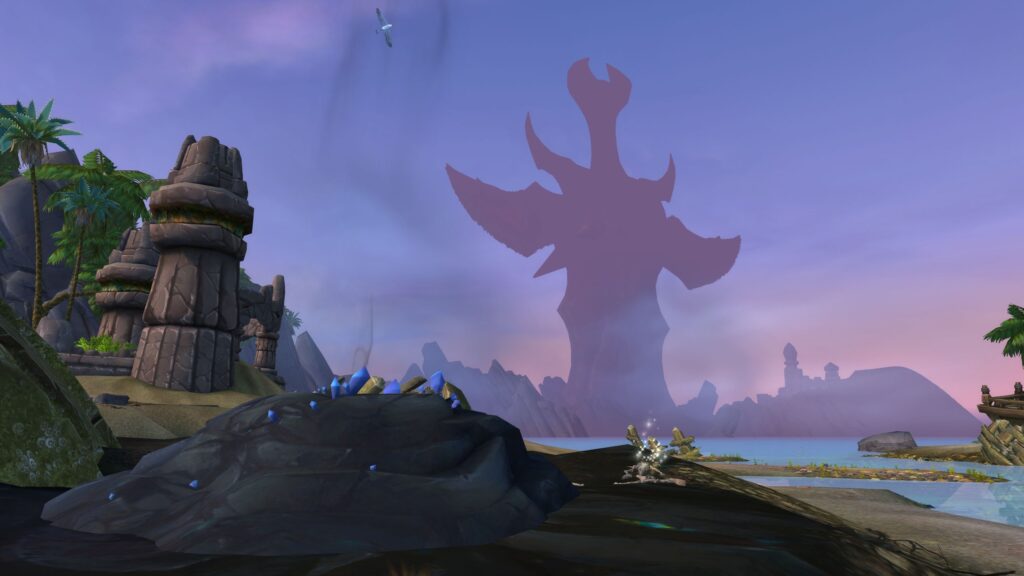
Diving right into the heart of the Warlords of Draenor expansion, you’ll find the Blackrock Foundry raid. This raid is a demonstration of the sheer creativity and mechanical prowess of Blizzard’s design team. The Blackrock Foundry raid is a multi-winged, ten-boss monstrosity that challenges even the most seasoned WoW raiders.
The raid encounters within the Foundry are diverse, ranging from the fiery Blast Furnace to the mechanical Iron Maidens. Each encounter presents a unique challenge that keeps you on your toes. But it’s not just about the boss fights. The environment itself is teeming with danger, from molten steel rivers to deadly drop-offs.
Here’s a quick breakdown of the four main wings and their respective bosses:
| Wing | Boss |
|---|---|
| The Slagworks | Gruul, Oregorger, The Blast Furnace |
| The Black Forge | Hans’gar and Franzok, Flamebender Ka’graz, Kromog |
| Iron Assembly | Beastlord Darmac, Operator Thogar, The Iron Maidens |
| Blackhand’s Crucible | Blackhand |
Each encounter is tightly tuned and demands a high level of coordination from your raid team. You’ll need to master the mechanics of each boss fight, as well as navigate the hazardous environments of the Foundry.
Warlords of Draenor might have had its share of criticisms, but when it comes to raid encounters, Blackrock Foundry stands out as a high point. It’s a demonstration of the depth and complexity that WoW raids can achieve.
Legion: The Emerald Nightmare and Beyond
In the Legion expansion, you’ll first encounter the Emerald Nightmare, renowned for its intricate designs. This raid, as you’ll see, sets a high bar for the rest of the expansion. But don’t stop there; Legion has even more to offer with its subsequent raids.
Emerald Nightmares Intricate Designs
While exploring the intricate designs of the Emerald Nightmare in Legion, you’ll soon discover the depth and complexity of its raid content. The Emerald Nightmare serves as a corrupted version of the Emerald Dream, a verdant, life-filled domain. It’s clear that Blizzard’s artistic inspiration was at its peak when designing this raid.
The Emerald Nightmare offers you:
- A rich, immersive environment filled with grotesque, twisted versions of the fauna and flora you’d find in the Emerald Dream.
- A diverse set of bosses, each with their own unique mechanics.
- Innovative puzzles and obstacles that require coordination and strategic thinking.
- A compelling storyline that deepens your understanding of the Legion expansion’s lore.
- A plethora of rewards, including top-tier gear and unique cosmetic items.
The intricate design and attention to detail within the Emerald Nightmare are highly praiseworthy. It’s a raid that truly tests your abilities, pushing you to adapt and think on your feet. The Emerald Nightmare isn’t just another raid – it’s a demonstration of the creativity and passion of its designers. This raid is certainly one of the highlights of Legion, leaving a lasting impression on all who enter.
Beyond Legion: Subsequent Raids
After conquering the Emerald Nightmare, you’re ready to face the challenges of the next phase in the world of WoW. As you explore deeper into the Legion expansion, you’ll find the raid difficulty increasing, pushing you to strategize, coordinate, and refine your gameplay.
The Tomb of Sargeras and Antorus, the Burning Throne, are two major raids you’ll encounter. The Tomb, with its nine bosses, is notorious for its punishing mechanics. Antorus, on the other hand, ends the expansion on a high note, featuring epic boss fights that resonate with the game’s lore.
Community feedback has played a significant role in shaping these raids. The developers have been receptive to player criticisms and suggestions, helping to refine the in-game experience. For instance, after feedback on the initial complexity of the Tomb, adjustments were made to guarantee a balance between challenge and enjoyment.
These subsequent raids, each with their differentiating factors, have greatly contributed to Legion’s reputation as a standout expansion. The escalation in raid difficulty keeps you on your toes, but the rewarding gameplay and responsive developer tweaks make it a truly engaging experience.
Frequently Asked Questions
What Is the Average Player Level Required to Enter Each Expansions Raid?
You’ll face varying average player requirements for each expansion’s raid, reflecting the leveling challenges involved. Typically, you’d need to hit the maximum level of each expansion to participate in its respective raid content.
What Unique Loot Can Be Obtained From Each Raid?
Each raid in WoW offers unique gear that reflects its aesthetics. You’ll find armor sets, weapons, and trinkets, each designed to match the raid’s theme. Remember, it’s not just about power, but style too!
How Do the Difficulty Levels Differ Between Each Expansions Raid?
Steering through the raid difficulty comparison in WoW’s expansions is like walking a tightrope. Each expansion’s challenge ratings vary, offering you a unique thrill of battle. It’s not a one-size-fits-all scenario, you’ve got to experience it yourself.
Are There Any Special Mechanics or Strategies Needed for Each Raid?
Yes, each raid requires unique mechanic synergy and strategy evolution. You’ll often need to adapt and develop new strategies to overcome the special mechanics that each raid introduces. It’s part of the game’s charm.
Conclusion
To sum up, raid content has dramatically evolved across WoW’s lifespan, from vanilla to Legion. Each expansion brought new challenges, from the formidable bosses in The Burning Crusade to the intricate mechanics of Cataclysm’s Dragon Soul. Legion, however, refined these dynamics, setting a new standard for raid design. Whether you’re a veteran raider or a newbie, there’s always a thrilling raid experience waiting for you in the vast world of Azeroth. So gear up, adventure awaits!
Leave a Reply